


-

Add: HeBei ShengShi HongBang Cellulose Technology CO.,LTD.
-

Email
13180486930@163.com -

CONTACT US
+86 13180486930
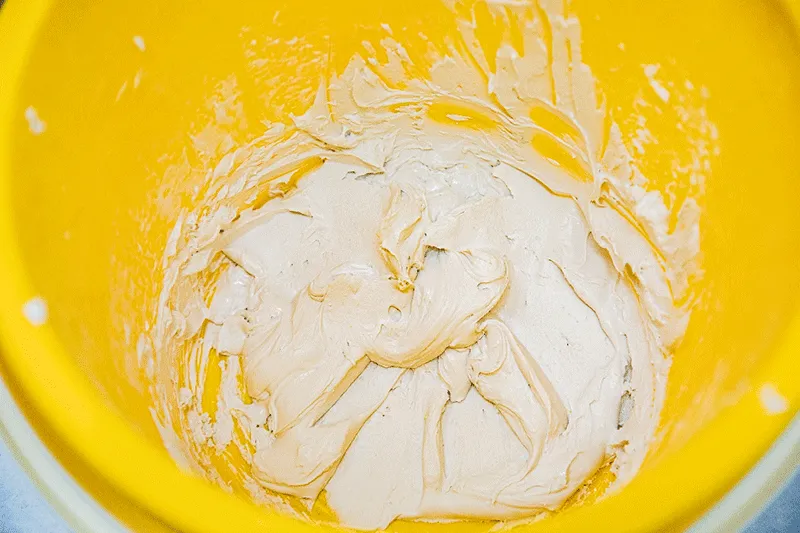
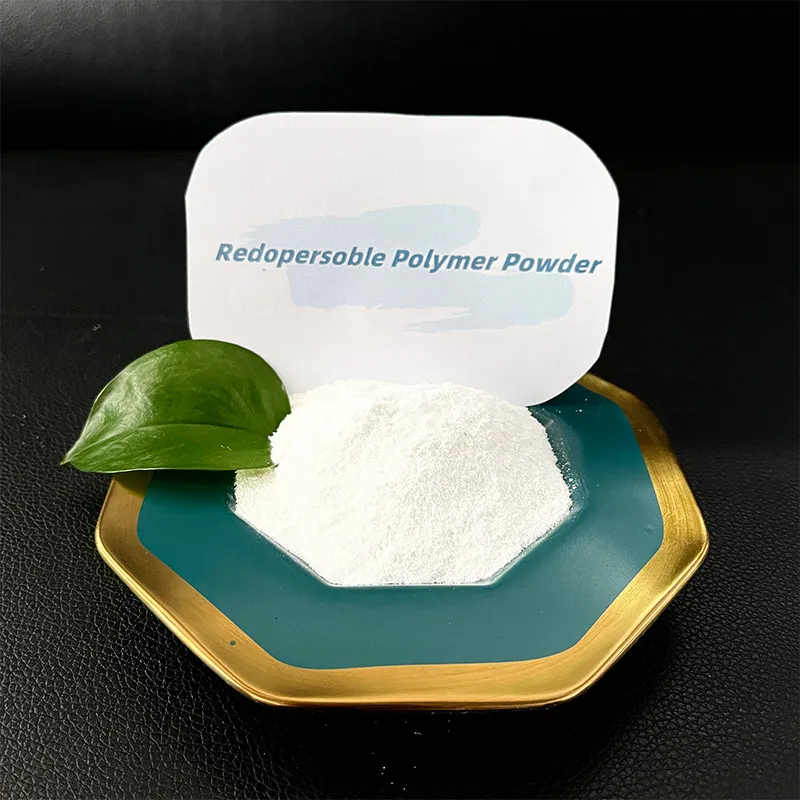
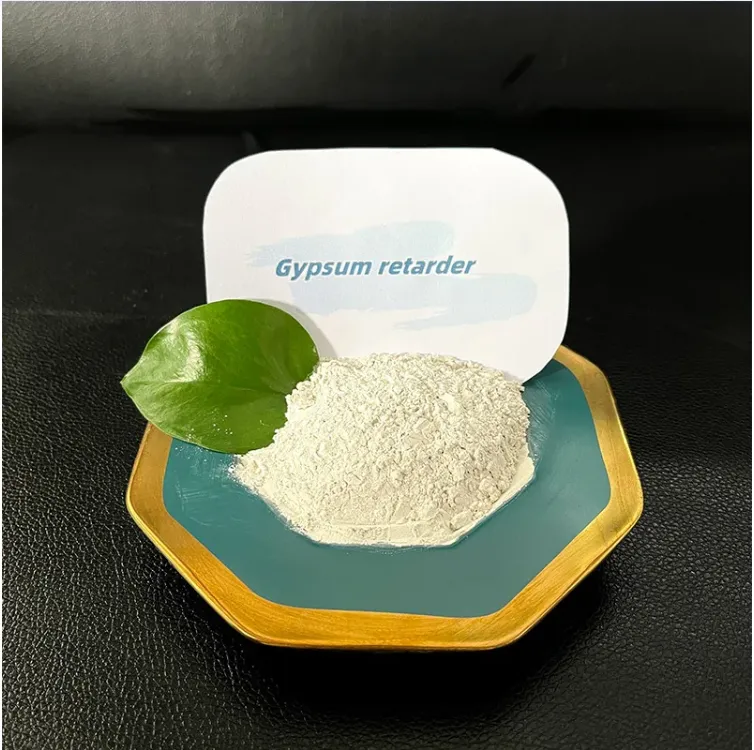
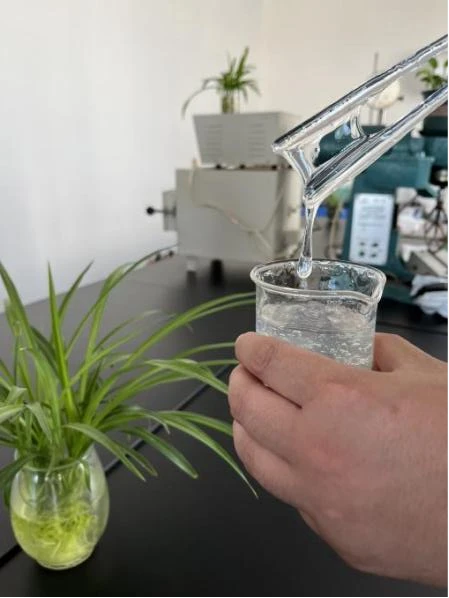


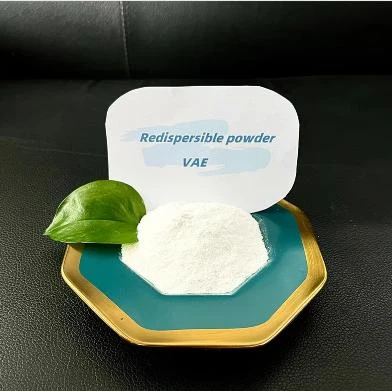
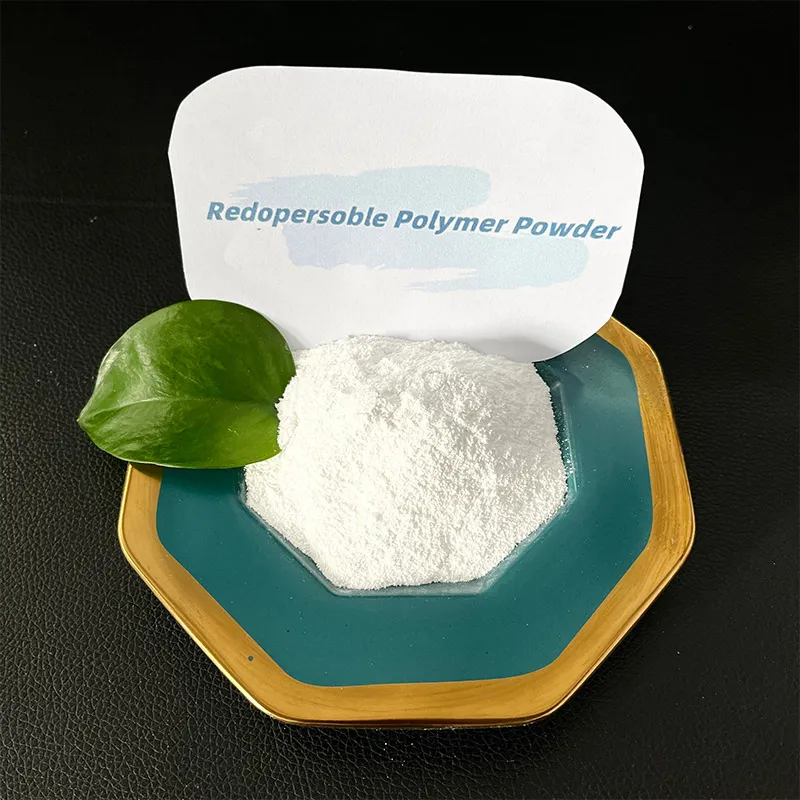
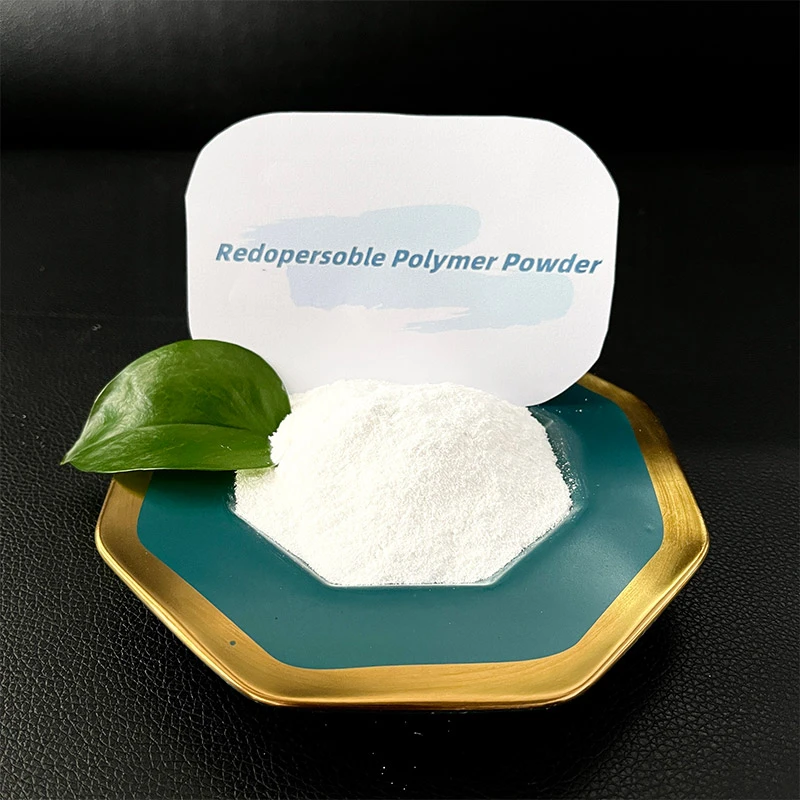
Polymer powder is a key ingredient in many industries, providing critical properties to products in construction, adhesives, coatings, and more. With its wide range of applications, polymer powder enhances the performance, durability, and flexibility of finished products. Available in various forms, polymer powder s can be tailored to meet the specific needs of different applications, making them a versatile choice for manufacturers worldwide. Whether you're working in construction, paints, or textiles, polymer powder offers the ideal solution for improving your products’ functionality. Explore Our Range of Colored Polymer Powder If you need vibrant, long-lasting colors in your products, colored polymer powder is the way to go. Whether you're producing construction materials, decorative coatings, or consumer goods, colored polymer powder offers an efficient way to introduce rich, stable colors into your products. Our premium colored polymer powder is designed to maintain its brightness and consistency, ensuring your products stand out. With a wide selection of shades, you can achieve the exact color you need while maintaining high quality and performance. The Benefits of Redispersible Polymer Powder Redispersible polymer powder is a game-changer in many industrial applications. Unlike traditional resins, redispersible polymer powder can be re-dispersed in water to create a solution, which offers greater convenience and efficiency for various processes. Widely used in adhesives, tile grout, and plaster, redispersible polymer powder enhances bonding strength, flexibility, and durability. This type of polymer powder is particularly valued in the construction and building materials sectors, providing superior performance while reducing transportation and storage costs. Discover the many benefits of using redispersible polymer powder in your formulations today. What Influences Polymer Powder Price? When considering polymer powder price , it’s important to understand the factors that affect the cost. The polymer powder price can vary depending on the type of polymer used, the quantity purchased, and the specific application for which the powder is intended. High-performance polymer powder may be priced higher due to its specialized formulations, while larger orders typically reduce the cost per unit. Additionally, polymer powder price can also depend on the presence of additives, colorants, and whether the polymer powder is customized for particular applications. To ensure you're getting the best value for your needs, always consider both the performance and the cost-effectiveness of the polymer powder price . Why Choose Our Polymer Powders for Your Business? Our polymer powder products are crafted with the highest standards of quality and performance, ensuring that your manufacturing processes run smoothly. From colored polymer powder to redispersible polymer powder , we offer a comprehensive selection that suits a wide variety of industries. Our polymer powder solutions are designed to enhance the quality of your final products, increase production efficiency, and offer cost-effective solutions for your business. With competitive polymer powder price s, we guarantee the best value for your investment. Whether you need a specialized formula or a standard polymer powder , our products are the perfect addition to your production line. Polymer Powders FAQs What is polymer powder? Polymer powder is a fine, dry material made from polymers, typically used in various industrial applications to improve the properties of products like adhesives, coatings, and construction materials. It is valued for its ability to enhance flexibility, strength, and durability in the final product. Polymer powder can come in different types, such as colored polymer powder or redispersible polymer powder , each serving specific functions depending on the industry. What is colored polymer powder used for? Colored polymer powder is primarily used to add vibrant colors to products such as construction materials, coatings, and consumer goods. The color pigments are stable and long-lasting, ensuring that the final product maintains its color over time, even under challenging conditions. It’s ideal for applications where both color and performance are important, making it perfect for industries like construction, automotive, and packaging. What is redispersible polymer powder and how is it used? Redispersible polymer powder is a special type of polymer powder that can be re-dispersed in water, forming a solution that can be easily applied in a variety of industrial processes. It’s commonly used in adhesives, tile grouts, and plaster, where it improves bonding strength, flexibility, and water resistance. The ability to re-dispense the polymer powder in water makes it a more convenient and cost-effective solution for many manufacturing processes. How does the polymer powder price vary? The polymer powder price depends on several factors, including the type of polymer used, the quantity purchased, and whether any special additives or colors are involved. Specialty redispersible polymer powder sand colored polymer powder s often come at a higher price due to their advanced formulations. Additionally, larger volume purchases can reduce the polymer powder price per unit, offering better cost-effectiveness for bulk orders. Why should I choose your polymer powders? Our polymer powder sare craftedto meet the highest standards of quality, ensuring that your products perform at their best. We offer a wide selection of colored polymer powder s and redispersible polymer powder s, all designed to enhance the durability, flexibility, and performance of your products. Our polymer powder price is competitive, offering you the best value for your investment. Whether you’re in construction, coatings, or any other industry, we have the perfect polymer powder solution for you.
- 40000tons

Production
- 20+years

Experience
- 5000+㎡

Acreage

-
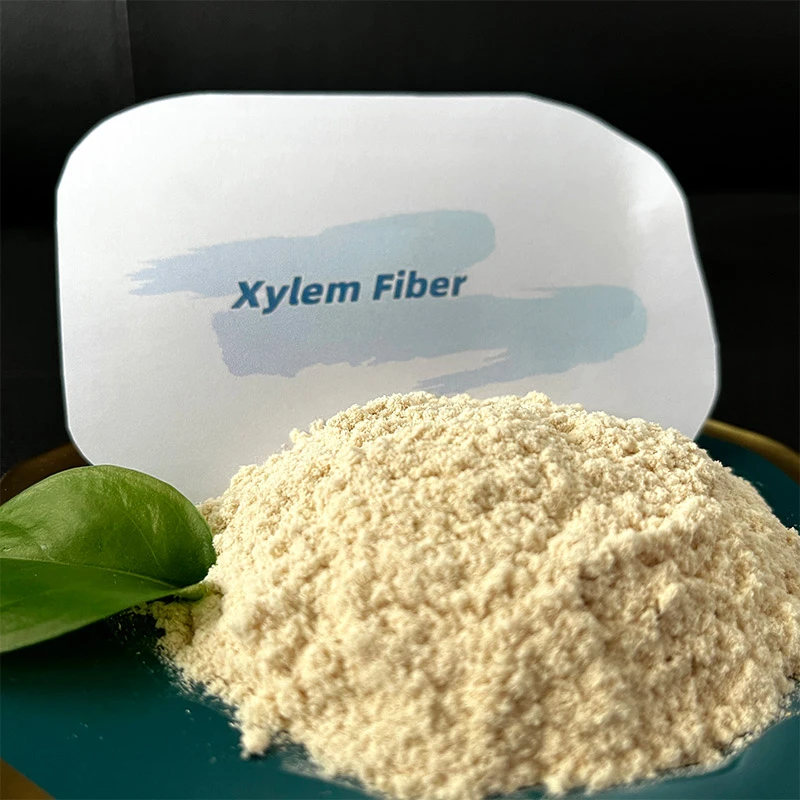
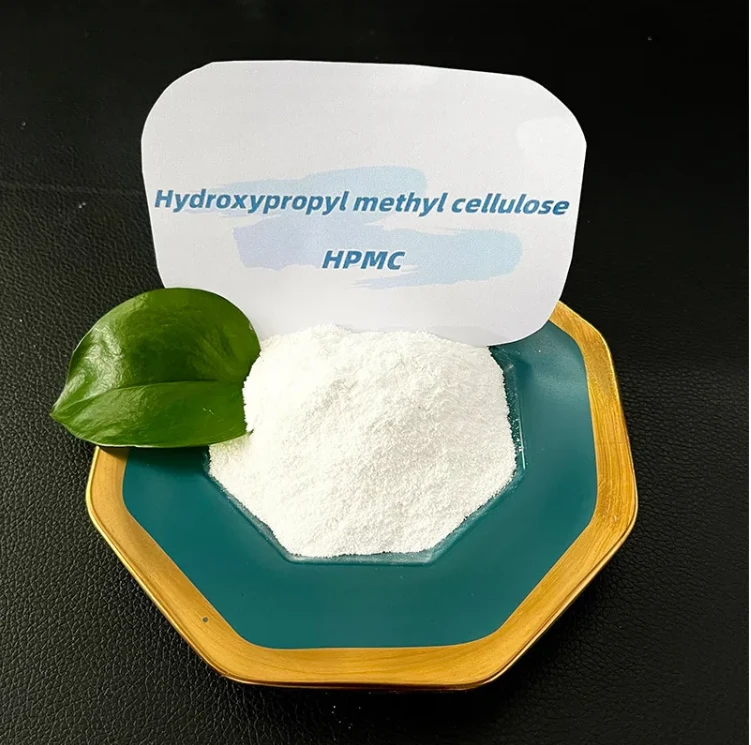
Hydroxypropyl methylcellulose (HPMC) has become a critical component in a range of construction materials due to its unique properties, such as water retention, improved adhesion, and enhanced workability. This versatile polymer is widely used in the manufacturing of tile adhesives, mortars, and plasters. As a hydroxypropylmethylcellulose supplier , it is crucial to provide high-quality products that meet the specific demands of modern building projects. In this article, we will explore the importance of hydroxypropyl methyl cellulose in building materials, especially in HPMC tile adhesive applications. Why Hydroxypropyl Methyl Cellulose is Essential in Construction Materials The role of hydroxypropyl methyl cellulose in construction cannot be overstated. As a water-soluble polymer, HPMC functions as an excellent binder in various construction mixtures. It improves the consistency and workability of materials, making them easier to apply. When mixed with water, hydroxypropyl methyl cellulose forms a gel-like consistency, which helps retain moisture for a longer period during the curing process. This is crucial for preventing premature drying and ensuring optimal bond strength in tile adhesives, plasters, and cement-based products. In addition, HPMC enhances the adhesion properties of HPMC tile adhesive , ensuring that tiles stick securely to surfaces and withstand environmental stresses such as temperature changes and humidity. The water retention capacity of hydroxypropyl methyl cellulose also ensures that the adhesive remains workable for a longer period, giving contractors enough time to position tiles accurately. The Key Benefits of Using Hydroxypropyl Methyl Cellulose in Tile Adhesives When it comes to HPMC tile adhesive , the benefits are numerous. First and foremost, hydroxypropyl methyl cellulose acts as a superior thickening agent. This property not only improves the application characteristics of tile adhesives but also prevents sagging when applied to vertical surfaces. The controlled viscosity of the product makes it easier to spread evenly and ensures better adhesion, which is essential for achieving a long-lasting bond. The improved open time is another critical advantage of hydroxypropyl methyl cellulose in tile adhesives. Open time refers to the time span during which the adhesive remains workable after being applied to a surface. By increasing the open time, HPMC allows for more flexibility in tile placement, reducing the chances of errors during installation. Additionally, hydroxypropyl methyl cellulose contributes to the flexibility and durability of tile adhesives. In areas with high foot traffic or fluctuating temperatures, tile adhesives need to be able to flex slightly to accommodate any movements in the underlying substrate. HPMC tile adhesive formulations with the right amount of hydroxypropyl methyl cellulose can resist cracking and maintain a strong bond, even under demanding conditions. How Hydroxypropylmethylcellulose Suppliers Ensure Quality and Consistency A reliable hydroxypropylmethylcellulose supplier plays a vital role in ensuring that building materials are of the highest quality and consistency. Manufacturers rely on suppliers to deliver products that meet industry standards and specific performance requirements. The quality of hydroxypropyl methyl cellulose can vary depending on the raw materials used, the manufacturing process, and the supplier's expertise. Top-tier hydroxypropylmethylcellulose suppliers ensure the consistency of their products through rigorous quality control measures, which include tests for particle size distribution, viscosity, and water retention properties. By maintaining strict control over production, these suppliers can provide construction companies with reliable and uniform materials that perform consistently across various projects. Working closely with trusted hydroxypropylmethylcellulose suppliers also means access to customized solutions. Different types of hydroxypropyl methyl cellulose are used in different applications, and some may be more suited to specific climate conditions or surface types. A supplier who understands the diverse needs of their clients can recommend the right grade of HPMC for each unique application, ensuring the best possible results for tile adhesives and other building materials. The Future of Hydroxypropyl Methyl Cellulose in Building Materials As the construction industry evolves, the demand for high-performance, sustainable building materials continues to rise. The use of hydroxypropyl methyl cellulose in tile adhesives and other construction products is expected to grow, driven by the need for more efficient, durable, and eco-friendly solutions. Manufacturers and hydroxypropylmethylcellulose suppliers are continuously working on enhancing the properties of HPMC to meet these demands. Research into the sustainable production of hydroxypropyl methyl cellulose is also gaining traction. By reducing the environmental impact of its production and sourcing raw materials responsibly, HPMC producers are helping to promote more sustainable construction practices. Additionally, innovations in HPMC tile adhesive formulations are likely to lead to even better performance, such as adhesives with superior flexibility, faster curing times, and enhanced resistance to environmental stressors. As the construction industry looks to the future, hydroxypropyl methyl cellulose will continue to be a key ingredient in the development of high-quality building materials, with an emphasis on performance, sustainability, and cost-effectiveness. H ydroxypropyl methyl cellulose is an indispensable component in modern construction materials, particularly in HPMC tile adhesive applications. Its ability to improve workability, enhance adhesion, and retain moisture makes it a key ingredient for achieving durable, high-performance building materials. Working with a trusted hydroxypropylmethylcellulose supplier ensures that construction companies have access to consistent, high-quality materials that meet the demands of both current and future projects. As the construction industry continues to innovate, the role of hydroxypropyl methyl cellulose in building materials will undoubtedly remain central to the development of advanced and sustainable construction solutions.
-
Powder coating rubber might sound like a niche or a novelty in the world of surface finishing, but it has grown to be an innovative solution embraced by experts seeking durability and aesthetic enhancement in rubber products. This process holds particular appeal in industries where the resilience and enhanced performance of rubber parts are crucial. Powder coating, originally used for metals, offers a finish that is both protective and decorative. When applied to rubber, a material known for its flexibility and resilience, the outcome is a unique blend of properties that elevates the function and look of the rubber product while broadening its application potential. Experience tells us that traditional liquid coatings on rubber often face issues related to adhesion and flexibility after curing. However, recent advancements in powder coating technology tailor powders specifically to bind effectively to the rubber substrate, ensuring a robust bond that withstands the flexing and stretching typical of rubber materials. This is achieved through careful surface preparation and the use of specialized primers where necessary, which help in increasing the adhesion properties of the powder to the elastomeric surface. From a professional perspective, the expertise required to powder coat rubber involves understanding both the material science of elastomers and the mechanics of powder coatings. Experts in the field appreciate the technical nuances involved in selecting the right powder composition including heat sensitivity and the ability of the rubber to withstand the curing temperatures often exceeding 300 degrees Fahrenheit. Powder coatings suitable for rubber generally cure at lower temperatures to prevent any degradation of the rubber properties. Applications of powder-coated rubber are expansive . For instance, industrial settings use coated rubber rollers to resist abrasion and chemicals, extending their lifespan significantly, which is an authoritative endorsement of this technique’s capability. Meanwhile, in the automotive sector, manufacturers have experimented with powder coating on rubber components to improve the aesthetics and provide a protective layer that prolongs the service life of critical parts under the hood. powder coating rubber A distinct advantage of powder coating rubber is its environmentally friendly nature compared to its liquid counterparts. This process eliminates solvents, reducing volatile organic compound (VOC) emissions, thereby aligning it with the modern need for green manufacturing processes. The industry’s move towards eco-friendly solutions has earmarked powder coating as a sustainable choice, boosting its credibility as a responsible manufacturing alternative. Additionally, powder-coated rubber offers a trusted solution in terms of wear resistance and lifespan extension. The uniform coating coverage enhances the rubber’s protective qualities, reducing maintenance costs and ensuring reliability over extended use. This not only results in cost savings but also increases the product's competitiveness in the market. For those exploring powder-coated rubber products, witnessing the transformation of a raw rubber substrate into a finished product with a high aesthetic appeal and superior performance can be an eye-opening experience, underscoring the powder coating process's sophistication and effectiveness. Trust in the powder coating process is bolstered by the consistent results delivered across diverse applications and environmental conditions. Robust testing protocols and compliance with industry standards ensure that powder-coated rubber products meet stringent quality benchmarks, further solidifying their place in a variety of industry settings globally. In conclusion, powder coating rubber is a transformative process that combines the essential properties of rubber with the advanced protection and aesthetic possibilities of powder coatings. Its development represents an intersection of experience, expertise, authority, and trustworthiness, offering a compelling narrative for industries committed to high-performance, sustainable solutions. As the technology evolves and becomes more refined, its role in product innovation is set to expand, enabling new horizons in design and functionality.
advantages
-

200000 Viscosities
Excellent product
We can produce pure products up to 200,000 viscosities
-

40000 tons
High yield
We don’t stop production all year round, and the annual output can reach 40,000 tons
-

24 hours
Quality service
We provide 24-hours online reception service, welcome to consult at any time
———— Inquiry Form
Schedule A services

- hydroxypropyl_methylcellulose_cosmetics
Oct . 25, 2025
Man-made synthetic fibers have revolutionized the textile industry by offering versatile, durable, a -
 sticky_rubber_talcum_powder
Oct . 25, 2025
Polypropylene fiber ( PP fiber ) has transformed the synthetic fiber market with its remarkable tech -
 fabricantes_de_polvo_de_polimero_redispersable
Oct . 25, 2025
Understanding Anionic Polyelectrolyte Powder Properties, Applications, and Benefits Polyelectrolytes


